
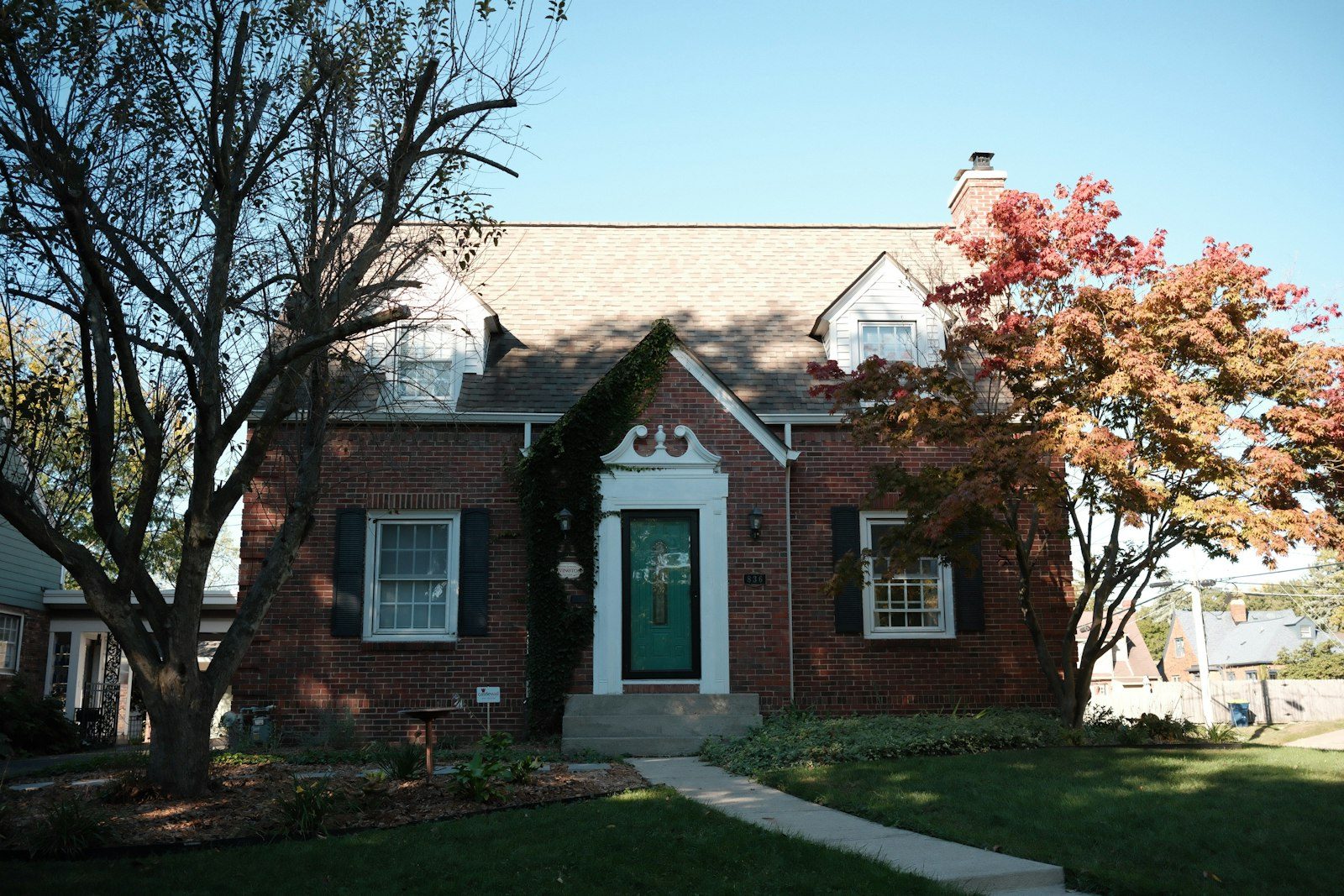
I'm a builder married to a real estate broker, which means selling-season conversations happen at my dinner table whether I want them or not. And the same lesson repeats every spring: the sellers who do best aren't the ones who spent the most on staging. They're the ones who kept up with the small stuff, so the inspection holds no surprises and the closing stays smooth.
Here's something most sellers don't think about until they're under contract: in Texas, almost every deal includes an option period with an inspection. How smoothly that goes is mostly decided weeks earlier, by the maintenance you kept up on. A home that's been cared for inspects like a home that's been cared for, and that shows.
What the inspection actually looks at
A Texas inspector working the TREC standards will flag 30 to 50 items on nearly any home, even a young one. Most are minor and completely normal. The thing worth knowing is that a long list of small items can still read as "this home wasn't looked after," even when it was. Your job before listing isn't a perfect house, it's making sure the report reflects the care you actually put in.
Small, cheap items have a way of reading bigger on a report than they really are. A skipped GFCI shows up as an "electrical concern." A dirty HVAC system reads as "aging." None of it is hard to handle, and handling it early means the report tells the true story of a well-kept home instead of raising questions you have to answer later. If you want to see exactly what a buyer will be reading, here's how to read a Texas inspection report like a builder.
Before listing, fix everything an inspector will photograph that costs less than about $200 to handle. These are the cheap items that, left undone, raise questions far out of proportion to their cost. Knocking them out early is the highest-return hour of prep you'll spend.
The pre-listing punch list
This is the list I'd run on my own home before a sign ever touched the yard, in priority order:
- HVAC service, with the receipt. A tune-up and fresh filter before listing. Inspectors measure temperature differentials; a dirty system fails them. The receipt does double duty as proof of care on the most expensive system in the house.
- Water heater flush and check. Sediment, the TPR valve, the pan and drain. In our hard water, an unflushed tank announces its age. Tankless? Get the descaling flush documented.
- Roof eyes-on, especially post-hail. North Texas buyers presume hail damage until proven otherwise. An inspection (and photos) from this season is your proof. Lifted shingles and exposed nail heads are cheap now, expensive in the amendment.
- Foundation perimeter walk. Sticking doors, fresh drywall cracks, and dry, pulled-away soil are the signals every inspector chases. Consistent watering and clean drainage in the weeks before listing keeps the clay stable and the doors honest.
- Gutters cleared, downspouts draining away. Overflowing gutters stain fascia and feed the foundation narrative. A $179 cleaning erases both.
- Caulk and grout, kitchen and baths. Cracked caulk reads as "water intrusion risk" in a report. A $15 tube and an afternoon reads as "maintained."
- GFCI outlets, smoke and CO detectors. Test every one, replace every battery. These are the most-photographed cheap items in Texas inspections, and dead detectors embarrass an otherwise clean report.
- Doors, windows, weatherstripping. Adjust strikes and hinges so every door latches. A door that sticks is a foundation question; a door that closes is furniture.
- Irrigation heads and hose bibs. Run every zone. A geyser on inspection day is comedy for the buyer and money out of your net.
- One folder of records. Every receipt, service date, and warranty registration in one place. This is the quiet closer, and it deserves its own section.
What boosts value vs. what just delays closing
Not all pre-sale work is equal, and sellers routinely spend on the wrong side of this line. Protects your price: documented mechanical health (HVAC, water heater, roof), foundation stability signals, curb-level condition, and the records folder. These are what let a buyer feel confident about the home. Just delays closing if ignored: the small stuff lenders and option periods snag on, like missing GFCIs, leaking fixtures, and inoperable windows. Cheap fixes, disproportionate friction.
And the trap to avoid: rushing a big-ticket replacement you can't recover. A roof at the end of its life is usually better handled with transparency and pricing than a panicked $18,000 pre-sale replacement. As-is can absolutely work, but as-is plus documentation gets offers; as-is plus mystery gets lowballs.
Drop your email and we'll send the APEX Home Warranty Protection Checklist, including the full punch list above, the seasonal maintenance calendar, and the documentation templates that protect your price at the table.
The records folder is the real flex
Here's what my broker wife will tell you after a few hundred closings: the strongest seller at any negotiating table is the one with paper. When a buyer's agent waves the inspection report, a seller who can answer with dated service receipts, registered warranties, and a maintenance log changes the entire conversation. The report says "unknown condition." The folder says "known, cared for, and priced accordingly."
An inspection report is a list of questions. Maintenance records are the answers, written before anyone asked.
This is also the cheapest item on the list, because it's mostly assembly. Pull your service receipts, registration confirmations, and any warranty paperwork into one binder or shared folder. If you've followed a maintenance rhythm like our Celina home maintenance calendar, you already have most of it. If you haven't, start the folder anyway; even six months of documented care reads better than none.
One last builder's note: the homes that sail through option periods are never the ones that got a frantic two-week glow-up. They're the ones that were simply maintained all along, where selling prep was a weekend of assembly instead of a month of triage. That's the quiet financial case for proactive maintenance, made one closing table at a time.
A fresh A/C service receipt is one of the highest-leverage items on this list. Our A/C Cleaning and Performance visit, $179, gets the system inspection-ready and hands you the documentation that reassures buyers about the most expensive system in the house.
Book your A/C visit →