
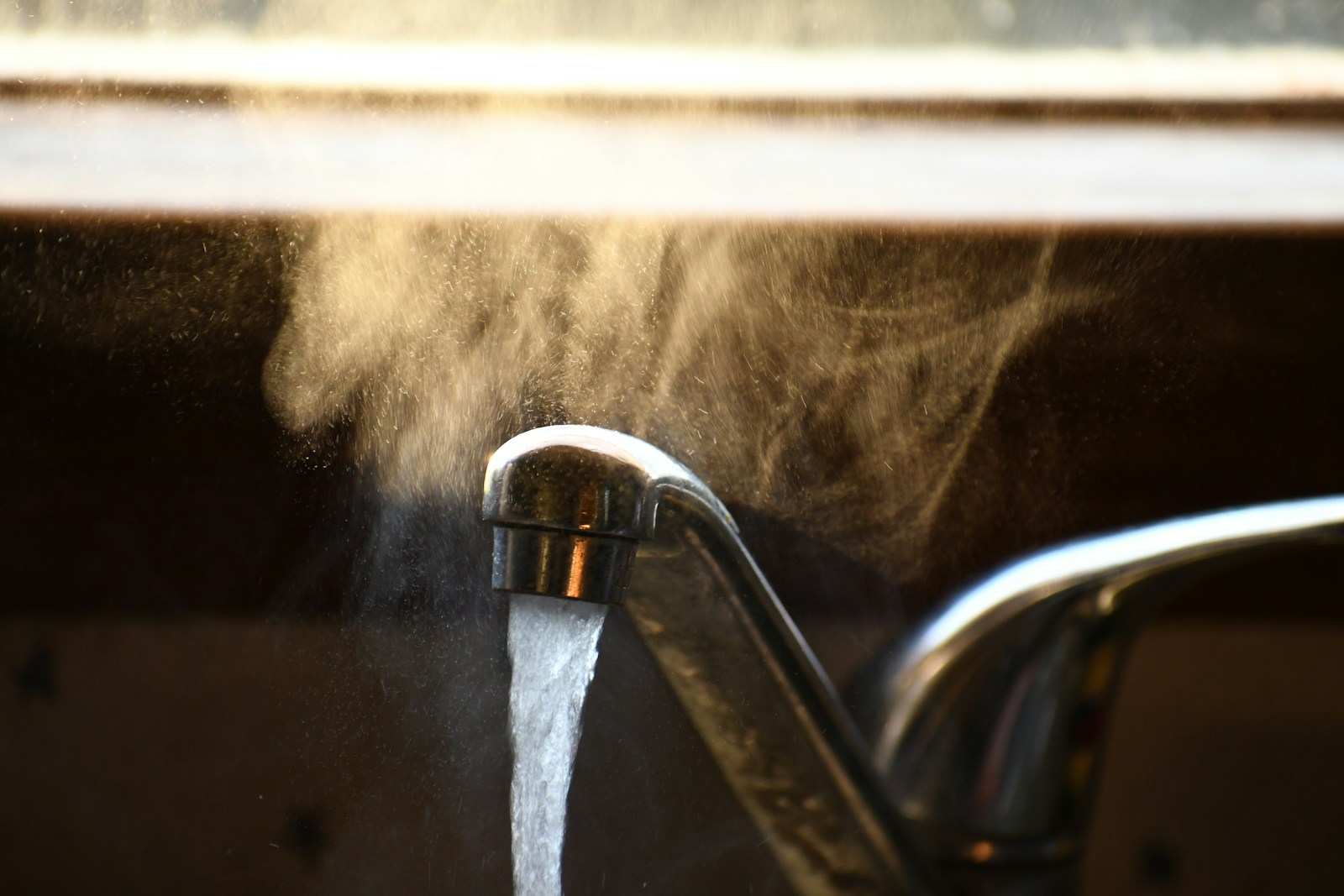
Somewhere in your house, in a garage corner or a closet you never open, a fifty-gallon tank has been quietly on duty since the day you moved in. It heats every shower, every load of laundry, every sink of dishes, and it does the job so reliably that most homeowners forget it exists. Which is exactly why a water heater failure feels like it comes out of nowhere.
Here is the good news, and it is genuinely good: a tank water heater almost never quits without warning. It telegraphs the ending for weeks, sometimes months. The signs are easy to read once you know them, and every one can be checked in minutes, with no tools, by any homeowner.
The water heater sits on the short list of home systems that cost real money when they fail, and it is the one that gives the clearest warning. This post walks the five signals I check on every visit, plus the two-minute test that tells you more about a tank's future than anything else.
Start with its age
Before you read a single symptom, get one fact: how old the unit is. The data sticker on the side of the tank carries a serial number, and the manufacture date is encoded in it, usually in the first few characters. A quick search of the brand name plus "serial number date" decodes it in seconds. Write the year somewhere you will find it again.
Most tank water heaters are built for 8 to 12 years of service. Around here the clock runs a little faster, because North Texas water is hard, and the minerals it carries settle into the tank year after year. Age alone is not a verdict, I have seen fifteen-year-old units still humming, but it sets how seriously to take everything below. A tank at year nine in Celina has earned closer attention than the same tank in a soft-water city.
The five signs, in the order I check them
- Rust-tinted hot water. Run the cold and the hot into two separate white containers and compare. If both look rusty, the color is coming from the piping or the city supply, not the heater. If only the hot side carries the tint, the inside of the tank is corroding, and that is the single most reliable early signal a tank sends.
- Rumbling, popping, or crackling. That sound is water trapped under a layer of mineral sediment, flashing into steam bubbles that collapse against the steel. A healthy tank heats almost silently. A rumbling one is heating through an insulating blanket, working harder and running hotter than it was designed to.
- Hot water that runs out sooner. If the third shower of the morning goes lukewarm in a house where it never used to, the tank is losing usable capacity. Sediment takes up gallons of space and slows how fast the burner or elements can recover. Falling recovery is the tank quietly shrinking from the inside.
- Moisture where there should be none. Look at the fittings on top, the temperature and pressure relief valve on the side, and the base. A little condensation on a humid Texas day is normal. A persistent damp ring at the base, rust streaks below a fitting, or a slow drip from the relief valve line deserve attention now, while they are still small.
- The two-minute drain test. Near the bottom of the tank is a drain valve shaped like a hose bib. With the water heater off, drain a gallon or two into a bucket and read what comes out. Clear water is a pass. Cloudy water with sand-like grit means sediment is building and a flush is worth scheduling. Water that runs rusty brown and stays that way after a couple of gallons is the tank corroding from the inside, and it is time to plan.
Every tank water heater ships with an anode rod, a sacrificial metal rod that corrodes on purpose so the tank walls do not. In hard water it works overtime and wears out sooner. Having the rod checked around year four or five, and swapped when it is spent, is the single cheapest way to buy a tank more years. Most homeowners have never heard of it, which is a shame, because it is the difference between a tank that makes year twelve and one that quits at eight.
What is normal, and what is urgent
Not every noise or drop of water is a countdown. Brief condensation in summer, a few metallic ticks as the tank expands after heavy use, a one-time cloudy draw after the city works on the lines, all normal. One sign on its own means watch it, nothing more.
Signs that stack are a different conversation. Rumbling plus slower recovery means heavy sediment. Rusty hot water plus dampness at the base means the tank body itself is going, and the tank is the one part nobody can fix. In my experience, a unit past year eight showing two or more of these together is usually in its final 30 to 60 days of reliable service. That window is a gift, if you use it.
One situation moves to the front of the line: water pooling under the tank that comes from the tank seam itself, not a fitting. Close the cold inlet valve on top, turn off the breaker or set the gas control to off, and make the call the same day. Everything else in this post is a planning conversation. That one is a today conversation.
The APEX Home Warranty Protection Checklist puts the water heater checks alongside 30+ other quarterly and seasonal tasks, organized by season and system. Free, no fluff, written by a builder.
Why catching it early is worth so much
The difference between a planned replacement and an emergency one is not just stress. Plan ahead and you choose the unit, the size, the efficiency rating, and the week it happens. You get quotes instead of taking the first available truck. You can even rethink the whole approach, because a failing tank is the natural moment to consider going tankless, a switch that trades the storage tank for endless hot water and has its own simple care rhythm, one I covered in the hard-water tankless maintenance guide.
Wait for the surprise version and every one of those choices is made for you, on the most expensive day, usually with a fan pointed at wet drywall. Same appliance, very different experience. The five signs above are how you make sure you get the first version.
So build the habit. Twice a year, give the tank ninety seconds of attention: look at the base, listen to it heat, run the drain test. Spring and fall, paired with the seasons the way every good maintenance rhythm is. Ten minutes a year, and your water heater will never surprise you again.
A water heater almost never dies without telling you first. The trick is learning its language.
This weekend, go meet yours. Find the serial number, decode the year, listen to it recover after a shower, and put a bucket under the drain valve. You will know more about the next twelve months of your home's hot water than most homeowners ever learn about theirs.
Welcome to the journal. New posts every day.
The anode rod is the part that corrodes so your tank doesn't, and around 5 years is the safest swap window to guarantee a long tank life, especially on Celina's hard water. I replace it for $199 with the new rod included, do the work personally, document your water heater's age and condition in the APEX app, and if you're not 100% happy with the visit, it's free.
Book Your Anode Swap →