
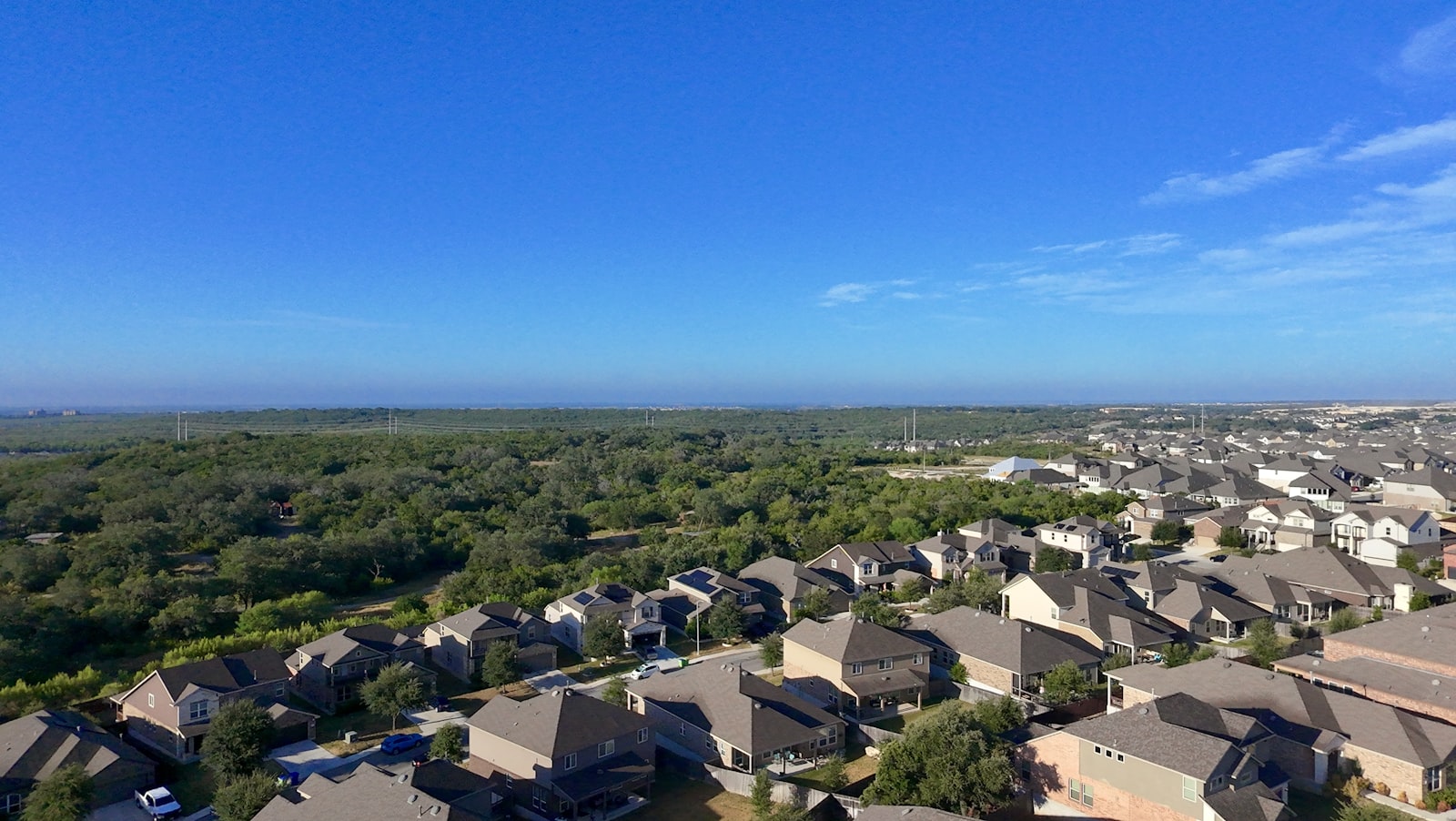
If you ask most home maintenance guides "when do I do X?", they'll give you an answer built around four seasons: spring, summer, fall, winter. That works fine in Ohio. It doesn't work in North Texas.
Around here, we get five distinct climate seasons: a real winter that's short but capable of violent freeze events; a brief spring with severe weather; an early summer that breaks systems; a sustained peak summer that's the longest stress period in the country; and a long, dry transition into fall. A maintenance calendar that doesn't separate "early summer" from "peak summer" misses the most important inflection points in the year.
This is the calendar I run on my own home and the one we'll be running on every APEX member's home starting July 2026. It's organized month by month — climate context, the tasks that matter, and the one thing to prioritize if you only do one thing per month.
Don't try to do everything. Pick the "one priority" task per month and actually finish it. The compound effect over 12 months is bigger than any single deep-clean weekend.
For everything else, hire it out or join APEX. Both options cost less than the failures they prevent.
Deep Winter · Hard Freeze Window
Highs in the 50s, lows in the 30s, with cold snaps that can drop to the teens or single digits for 1 to 3 nights. North wind exposure threatens north-facing exterior pipes. Heaters run hard for the first sustained period.
Critical tasks
- Walk every exposed pipe in the garage, attic, and exterior walls with a flashlight. Insulate any bare runs with foam sleeves ($3 per length).
- Test smoke and carbon monoxide detectors. January is the peak month for home heating fires in Texas — supplemental heaters left near flammables.
- Reverse ceiling fans to clockwise (low speed) so they push warm air down off the ceiling.
- Replace HVAC filter — heating mode runs continuously during cold snaps.
- Inspect the attic with a flashlight after the first hard freeze. Look for water staining or ice damage near vents.
Walk every exposed pipe with a flashlight and insulate the bare ones. The 2021 Texas freeze caused tens of thousands of pipe-burst claims — almost all of them on pipes that had been bare for years.
Late Freeze Risk · Statistically Volatile
The most variable month of the year in North Texas. A 75°F day can flip to a 20°F night within 72 hours. The 2021 grid failure hit in mid-February. Don't put away the freeze gear yet.
Critical tasks
- Drip every faucet on exterior walls if the forecast hits 28°F or below for more than 4 hours. Even briefly.
- Disconnect any garden hoses still attached to outdoor spigots — water trapped at the spigot freezes and cracks the line back into the house.
- Check the water heater pan and pressure-relief valve. Water heaters fail in freezes more than any other month.
- Schedule the HVAC pre-spring tune-up now — technicians are slow, which means fastest scheduling and best service quality.
- Look up at tree limbs over the house. Ice loads break weak limbs and they come down on roofs.
Get your HVAC pre-summer tune-up on the books. April is when everyone else realizes they need it, and you'll be third in line behind people whose systems are already failing.
Early Spring · Storm Season Opens
Mild but variable. Hail season opens. Severe thunderstorms can land with little warning. North Texas is at the southern edge of Tornado Alley.
Critical tasks
- Inspect the roof from the ground with binoculars. Look for displaced shingles, damaged flashing around vents, and any obvious gaps.
- Clear gutters of accumulated winter debris. Confirm downspouts aren't blocked — spring storms drop a lot of water fast.
- Walk the foundation perimeter looking for new cracks. Freeze-thaw cycles open small ones.
- Pressure-wash exterior surfaces. Winter humidity leaves mildew on north-facing walls.
- Service lawn equipment before peak use — sharpen mower blades, change oil, check fuel.
Inspect the roof. Hail damage compounds — a small unaddressed problem in March turns into a leak in June and a ceiling repair in July.
Optimal HVAC Window · The Most Important Month
Mild weather, technicians available, system not yet under heat stress. This is the most strategically important maintenance month of the entire year for a North Texas home.
Critical tasks
- Full HVAC pre-summer tune-up — refrigerant verification, capacitor test, contactor inspection, condensate drain flush, electrical tightening.
- Replace all HVAC filters. Note MERV rating (8 to 11 is the North Texas sweet spot — see our pre-summer HVAC checklist).
- Clean condenser exterior, verify 24-inch clearance on all sides, trim back encroaching shrubs.
- Inspect refrigerant lines — insulation intact, no oily residue (oil residue indicates a refrigerant leak).
- Test irrigation system for the season. Walk every zone; flag broken heads and leaks.
- Inspect window and door weather stripping. Replace any cracked or compressed seals.
Book a real HVAC service. Not a "checkup" — a tune-up that includes electrical testing and refrigerant verification. The cheapest emergency call in July is the one that was never necessary because you spent $150 in April.
Heat Building · Foundation Season Begins
Warm temperatures build toward hot. Late-month 90°F days arrive. Soil moisture starts to decline noticeably. This is when foundation watering must begin.
Critical tasks
- Begin foundation watering schedule — soaker hoses or drip lines along the foundation perimeter, run on a timer.
- Vinegar-flush the AC condensate drain line. One cup of white vinegar through the access tee, 30-minute soak, warm water flush.
- Inspect attic insulation depth. R-38 minimum for North Texas (about 14 inches of blown cellulose or fiberglass).
- Clean the dryer vent line back to the exterior — lint buildup plus summer heat is a fire risk.
- Walk exterior for caulking and paint touchups before the sun beats them harder.
Start watering the foundation perimeter on a schedule. North Texas clay soil shrinks when it dries, and the shrinkage cracks foundations. A $40 soaker hose and a $20 timer prevents a $20,000 problem.
Early Summer · The Failure Zone
95 to 100°F regularly. First major AC stress test. Most HVAC failures of the year happen in the first 14 days of true heat, not in August.
Critical tasks
- Monitor AC behavior closely for the first two weeks of real heat. Listen for unusual sounds, watch for unusually long run cycles.
- Compare your June electric bill to last June's. A sudden 20%+ jump on similar usage signals a system issue.
- Verify ceiling fans are set counterclockwise. Counterclockwise pulls cool air up and creates a wind-chill effect.
- Inspect attic ventilation — soffit vents clear, ridge or turbine vents spinning freely.
- Increase foundation watering frequency. The soil dries faster than you think.
Walk through your house and listen to your AC at 3pm on the hottest day. Long run cycles plus warm air at the vents (above 50°F) means a tech needs to be there tomorrow, not in two weeks.
Peak Heat · Peak Duty Cycle
100°F+ regularly. Sustained heat that doesn't break overnight. Your AC runs more hours this month than any other.
Critical tasks
- Second vinegar flush of the condensate drain. Humidity is at its highest, drain lines clog twice as fast.
- Replace HVAC filter. Peak season equals peak filter loading equals reduced airflow if you don't.
- Monitor the outdoor unit for ice formation on copper lines — that's a low-refrigerant indicator that gets worse fast in heat.
- Inspect roof for sun damage. Look for cracked caulk around vent boots, satellite dish mounts, and chimney flashing.
- Continue foundation watering — never let the soil pull more than half an inch away from the slab.
Keep foundation watering consistent. Don't go on a 10-day vacation without a sprinkler timer running. A drought-driven foundation movement that happens while you're gone is the most expensive home maintenance failure mode in North Texas.
Drop your email — I'll send you the APEX Home Warranty Protection Checklist, including the printable month-by-month version of this calendar.
Sustained Heat · Drought Risk
The hottest sustained month. Drought conditions are common. Trees stressed. Foundations under maximum movement pressure.
Critical tasks
- Heaviest foundation watering month. If you're under municipal watering restrictions, request a foundation-watering variance — most Texas cities grant them.
- HVAC filter replacement.
- Inspect tree health. Drought-stressed trees drop limbs unexpectedly. Trim any limbs over the house, driveway, or play areas.
- Check pool and spa equipment if applicable — pumps work overtime in heat.
- Look at irrigation coverage. Brown spots on a recently-watered yard indicate broken heads or clogged emitters.
Walk the foundation perimeter. If you see soil pulled away from the slab by more than half an inch, your watering schedule isn't enough. Add a zone, add a timer, or call us.
Transition Month · First Cool Snaps Possible
Daytime heat continues but nighttime temperatures begin to drop. First cool fronts possible late month. Storm system risk increases.
Critical tasks
- HVAC pre-fall inspection. Heating side starts being asked to work — verify it before you need it.
- Begin gutter cleaning. North Texas oaks begin dropping leaves earlier than most homeowners expect.
- Inspect the chimney and flue if you have a fireplace. Cap secure, no obvious nesting, damper operates.
- Replace smoke and CO detector batteries on the semi-annual cycle.
- Window and door weather stripping check before heat shifts to heating mode.
Book your HVAC fall service before the rush. Same logic as April: technicians are available now, slammed by October.
Fall Peak · The Second Most Important Month
Mild weather, occasional first frost late month. This is the second most important maintenance month after April — last clean window before winter prep season starts.
Critical tasks
- Full gutter cleaning plus downspout flush. Clogged gutters create ice dams in January.
- Inspect roof, fascia, and soffits. Summer heat damage now becomes visible.
- Service the furnace side of the HVAC system. Heat exchanger inspection, burner cleaning, gas valve verification.
- Mid-cycle smoke and CO detector test.
- Clean the dryer vent again — second time of the year is non-negotiable.
- Inspect window caulk and exterior caulk before winter. Cold contracts caulk; small gaps become big gaps fast.
Clean the gutters. Most ceiling water damage in February comes from gutters that were full of leaves in November.
Pre-Winter · First Sustained Cold
First sustained cold of the year. Hard freezes possible. Last clear window to prep before deep winter.
Critical tasks
- Insulate every exposed pipe. Garage, exterior walls, irrigation backflow preventer. Foam sleeves and self-adhesive tape.
- Winterize the irrigation system — blow out lines if you have a freeze-prone backflow preventer; wrap the backflow in insulation either way.
- Test the heating system. Run a 24-hour cycle. Listen for unusual noises, monitor temperature delivery.
- Drain garden hoses and disconnect from spigots.
- Reverse ceiling fans to clockwise (low speed).
- Test the sump pump if you have one.
Insulate every exposed pipe. Texas freezes are violent, brief, and unforgiving. Pipe insulation is $3 per length. A burst pipe is $5,000 minimum.
Hard Cold · Year-End Review
Cold snaps regular. Hard freezes possible. Fire risk peaks due to supplemental heating use.
Critical tasks
- Inspect the heating system hard — fireplace, space heaters, central heat. Confirm clearances around all heat sources.
- Test all smoke and CO detectors. December is peak fire risk in Texas.
- Drip faucets in any freeze event under 28°F sustained.
- Walk the attic for any winter-revealing leaks — water staining around vents, light coming through where it shouldn't.
- Year-end documentation review. File all receipts, service photos, and warranty records. This becomes resale value later.
Never run a space heater near furniture, drapes, or pets. Texas leads the nation in winter house fires originating from supplemental heating. The single most preventable winter hazard there is.
Why this calendar works
Most homeowners do maintenance reactively. The dishwasher leaks, so they call a plumber. The AC dies on a Saturday, so they pay an emergency call. The foundation cracks, so they get a $15,000 quote and try to figure out what happened.
Reactive maintenance has a hidden tax. An emergency repair done after hours and under pressure almost always costs more than the same service handled on your own schedule. The collateral damage (water from a burst pipe, drywall from a leaking AC, mold from a clogged drain) is often more expensive than the original failure. And the cumulative wear from running stressed systems shortens the life of expensive components by years.
Calendar-based maintenance flips the model. You're not waiting for a failure — you're scheduling around the climate. You know April is when HVAC techs are available. You know November is when pipes need insulation. You know August is when foundations move. The calendar tells you what's coming so the work is cheap, scheduled, and on your terms.
The cheapest repair is the one that's done in the right month. The next cheapest is the one that didn't need to happen.
That's the entire premise of APEX Home. We run a version of this exact calendar on every member home, quarterly. We handle the scheduling, the vendors, the documentation, and the follow-up. Members don't have to remember any of this — they just live in a home that's quietly being protected in the background.
But you don't need a membership to use this calendar. You just need a printout on the fridge and the discipline to do the "one thing" each month. Twelve "one things" over the course of a year is more home protection than 95% of North Texas homeowners actually deliver.
The easiest first step this season is a spring A/C Cleaning and Performance visit, $179. And if you would rather hand off the entire calendar, the APEX Care Plan runs every task here on schedule so you never track a date again.
Book your A/C visit →