
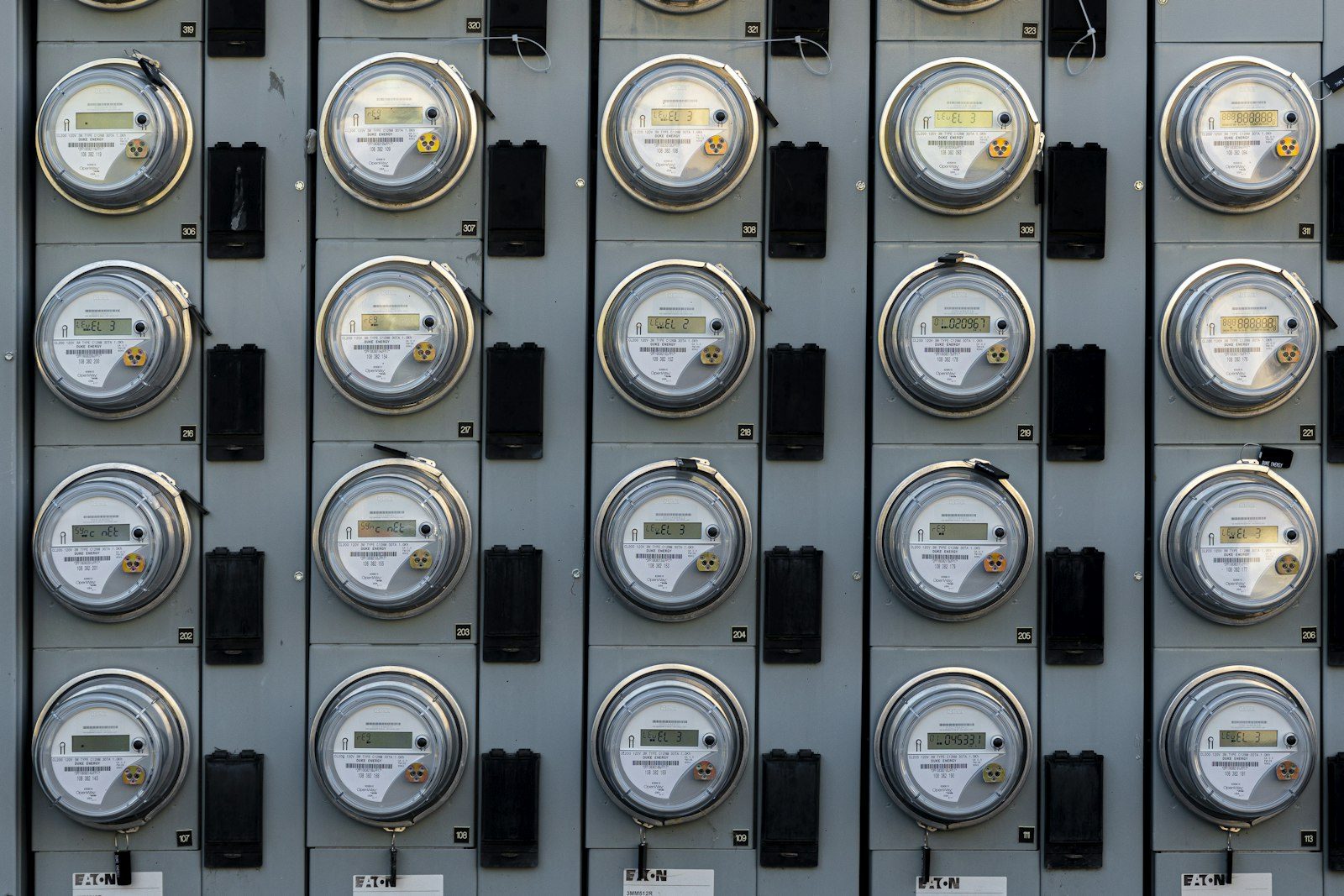
Every June I get the same question from homeowners, usually with a screenshot of a utility bill attached: "What is going on with my electric bill?" And the very first thing they say is some version of "it has to be the A/C." They are partly right. In a North Texas summer your air conditioner is the largest single user of electricity in the house, often around half of the whole bill. So when the heat arrives, the bill climbs. That part is just physics.
But a sudden spike is usually a different story. After walking through a lot of homes, I can tell you the jump people notice is rarely one villain. It is almost always a handful of quiet things running in the background, each one a little inefficient, adding up to a number that gets your attention. The encouraging part, and the reason I love this topic, is that nearly all of it is fixable, and you do not have to sweat through a warm house to win. The savings live in efficiency, not in deprivation.
Start with the A/C, but for the right reason
Yes, the A/C is first on the list. But the useful question is not "is it running a lot," because of course it is, it is July in Texas. The useful question is "is it running efficiently?" Those are very different things.
Your air conditioner does not get weaker when the outdoor coil is packed with dust or the refrigerant charge has drifted low. It simply has to run longer to move the same amount of heat out of your home. Same comfort, more run time, and every extra minute is electricity you are paying for. A clean condenser, a clear filter, and a correct charge let the system do the exact same cooling in less time. This is the whole reason a tune-up tends to pay for itself across a cooling season, and it is exactly why our A/C Cleaning and Performance visit is a full performance check and not just a rinse. We are not selling you more cooling. We are making sure you are not paying for inefficiency you did not know you had. If you want the DIY version of part of this, the monthly drain-line habit in our A/C drain line guide is a good place to start.
The quiet power users most people never check
Once the A/C is accounted for, here is where the surprise spikes actually hide. Walk this list and you will almost always find yours:
- The pool pump on a long schedule. A pool pump is one of the largest motors at your house, and many run far longer than they need to, sometimes twelve hours when eight would keep the water just as clear. Trimming the schedule is free and you will see it on the next bill.
- The second fridge or freezer in the garage. That extra unit keeping drinks cold in a 110-degree garage is working overtime, because it is trying to stay cold inside while baking outside. It is one of the quietest, steadiest power draws in many Celina homes.
- Dusty refrigerator condenser coils. Same principle as the A/C: when the coils on the back or underside of your fridge are coated in dust, the compressor runs longer to shed heat. A few minutes with a coil brush and a vacuum, twice a year, keeps it efficient.
- The hot-water recirculation pump running all day. The little pump that gives you instant hot water is wonderful, but many are wired to run around the clock. On a simple timer or an on-demand button, you keep the convenience and drop the constant draw.
- A hot attic loading the whole house. When attic ventilation is not keeping up, that trapped heat radiates down through the ceiling, and your A/C fights it all afternoon. Good attic airflow is one of the most underrated levers on a summer bill, because it lightens the load on the biggest user you have.
Notice that not one of these asks you to be uncomfortable. You do not lower your bill by suffering in a warm house. You lower it by finding the things that are working harder than they need to and letting them work easy. That is the whole game, and it is a much nicer game to play.
How to find your spiker in twenty minutes
You do not need fancy equipment to narrow this down. Here is the simple method I give homeowners:
- Compare to the same month last year, not last month. Summer bills always rise from spring. The honest comparison is this June against last June. Most utilities show a year-over-year graph right in your online account.
- Use your smart meter data. If you are on a North Texas utility, you likely have access to hourly usage online. A flat, high overnight baseline points at always-on users like a pool pump, a recirculation pump, or that garage freezer. Big afternoon peaks point at the A/C and attic heat.
- Do a five-minute walk. Open the garage and feel whether the second fridge is roaring. Check what hours your pool pump actually runs. Touch the fridge coils. You will usually spot the obvious one fast.
A high bill feels like a mystery. It is almost never a mystery. It is a short list of quiet, fixable things, and you can knock most of them out in an afternoon.
The bigger picture
Here is what I want you to take from this. Almost everything on this page is a maintenance item, not a mystery and not a reason to replace anything. A serviced A/C, clean coils, a pump on a sensible schedule, an attic that breathes. This is the quiet, unglamorous work that keeps a home running efficiently and keeps the bill where it should be. It is also exactly the kind of thing that is easy to mean to do and never quite get to.
That is the whole reason APEX exists. We handle the seasonal, easy-to-forget work that keeps your home efficient and comfortable, so you get the lower bill without spending your Saturday tracking down a power draw in a hot attic. Start with the single biggest lever, your A/C, and the rest gets a lot simpler. For the full seasonal rundown, our pre-summer HVAC checklist walks through everything that keeps a Texas system running its best.