
- Replace the filter — and pay attention to the MERV rating
- Clear the outdoor condenser unit
- Check the refrigerant — by symptom, not by gauge
- Flush the condensate drain line (the vinegar trick)
- Set your thermostat smart, not cheap
- Two things to leave to the pros
- Why this matters in Celina specifically
If you've lived through one Texas summer, you already know: the worst HVAC failures don't happen in August, when everyone expects them. They happen in early June, the first time your system runs at full tilt after a mild spring. The capacitor that was "okay" in May gives out. The refrigerant charge that drifted down over winter shows up as a unit that runs forever and never gets cold. The drain line that didn't get flushed clogs and floods your hallway.
I'm a licensed General Contractor. I've walked through hundreds of North Texas homes with their HVAC systems exposed, and the same five things show up over and over. None of them require a technician to catch. All of them require about 30 minutes of attention before the heat hits.
Here's the checklist I run on my own home — and the one I'll be running on every APEX member's home in Celina starting July.
1. Replace the filter — and pay attention to the MERV rating
The single most important and most ignored step.
If your filter is older than 90 days, replace it now. If you don't know how old it is, assume it's too old and replace it now.
But there's a subtlety most articles miss: the MERV rating matters more than the brand. MERV (Minimum Efficiency Reporting Value) measures how fine the filtration is. Higher MERV catches more particles — which sounds great until you realize it also restricts airflow more.
For most North Texas residential systems, MERV 8–11 is the right range. Higher than MERV 13 starts choking residential blower motors and forcing them to work harder than they were designed for. That's how blower motors burn out in July.
Pro tip: Write the install date on the edge of the filter with a Sharpie before you slide it in. You'll thank yourself in 3 months when you walk past it and can't remember.
2. Clear the outdoor condenser unit
Walk outside and look at the big metal box humming behind your house. That's the condenser. Its job is to dump heat from inside your home into the outside air.
It does that job through metal fins on its sides. When those fins are blocked by leaves, mulch, grass clippings, lawn equipment, or cottonwood fluff (which arrives in late May around here), the unit can't dump heat efficiently. It runs longer, costs more, and the compressor — the most expensive single part — wears out faster.
What to do:
- Turn power off at the disconnect (the small gray box on the wall next to the unit) before touching anything.
- Pull any debris out of the fins by hand or with a soft brush.
- Gently spray the fins with a garden hose from the inside out (if you can access it) or from the outside at low pressure.
- Make sure there's at least 24 inches of clearance on all sides.
- Trim any shrubs that have grown into the unit.
This is a 15-minute job that genuinely extends compressor life by years.
3. Check the refrigerant — by symptom, not by gauge
You can't check refrigerant level yourself without specialized tools, and you shouldn't try. But you can absolutely diagnose a low charge by symptom — which is what most technicians do anyway.
Signs your refrigerant is low:
- The system runs constantly but the house never reaches set temperature.
- Cold air comes out of the vents, but it's not very cold (warmer than ~50°F at the vent).
- Ice forms on the copper refrigerant lines outside or on the indoor coil.
- A hissing sound near the indoor unit.
- Your electric bill is creeping up month over month.
If you have any two of those, call a tech now — not in July. Refrigerant leaks don't fix themselves, and the failure mode in mid-summer is the compressor seizing, which is a $2,500–$5,000 repair instead of a $400 service call.
4. Flush the condensate drain line (the vinegar trick)
When your AC runs, it pulls humidity out of the air. That water has to go somewhere. It drains through a PVC pipe — usually 3/4 inch — that exits your house somewhere you've probably never noticed.
That pipe clogs. Always. Especially in humid climates. When it clogs, the water backs up into the drain pan, then into your hallway, then into your drywall.
The fix:
- Find the access point — usually a T-shaped fitting near your indoor air handler with a cap on top.
- Pour 1 cup of white vinegar (not bleach — bleach degrades PVC over time) into the access point.
- Let it sit for 30 minutes.
- Flush with warm water.
Do this once at the start of cooling season and once mid-summer. Sets you back four dollars and prevents a $3,000 water-damage claim.
5. Set your thermostat smart, not cheap
This last one is about money, not failure. But it adds up.
The instinct is to set the thermostat as low as possible the first hot day and feel like a king. The math doesn't work that way. Your AC removes heat at a roughly constant rate — setting it to 68°F doesn't cool faster than setting it to 74°F, it just makes the system run longer and waste energy after you've already cooled down.
Daytime when home: 76–78°F.
Nighttime: 72–74°F. Most people sleep better in this range, and the unit runs more efficiently in cooler outside air.
Away from home (4+ hours): 82°F. Never higher in summer humidity, or you're asking the system to do recovery work that costs more than it saves.
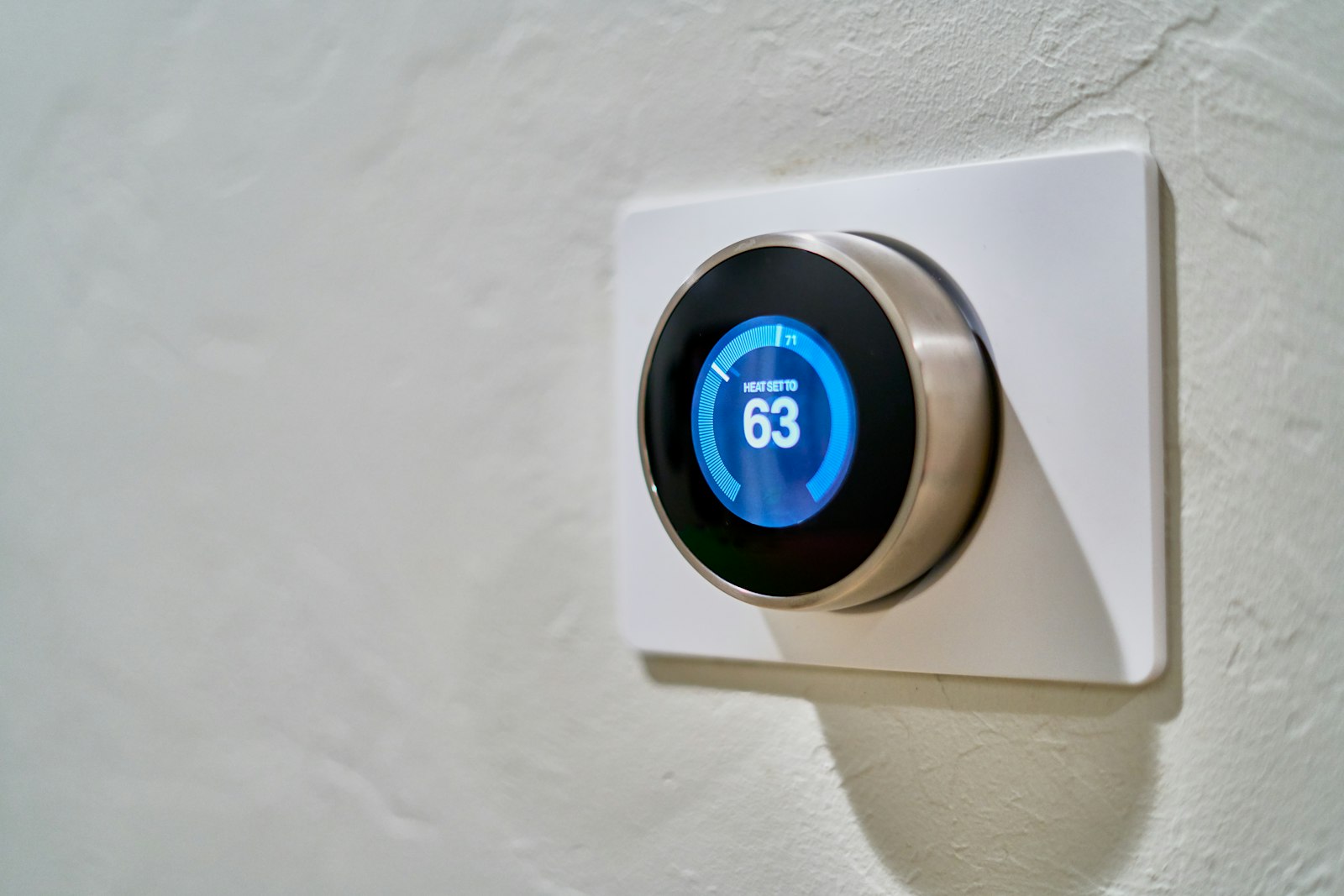
If you have a smart thermostat (Nest, ecobee), let it learn your schedule for 2 weeks before you trust its automation. They get smarter over time.
Drop your email — I'll send you the full APEX Home Warranty Protection Checklist. Printable. No fluff. Written by a licensed GC.
Two things to leave to the pros
Two things I see homeowners try that you should leave alone:
Topping off refrigerant. Even if you find DIY kits at the home improvement store. The EPA regulates refrigerant handling for a reason, and the cans often contain the wrong type for newer R-410A systems. Even when the level is genuinely low, the cause is almost always a leak that needs locating and repairing — adding more refrigerant without finding the leak is temporary at best.
Cleaning the indoor evaporator coil. It's usually behind sheet metal you don't want to disturb, and a damaged coil is a $1,200+ replacement.
For both of those, call a tech.
Why this matters in Celina specifically
I've spent the last six months walking through North Texas new builds and resales — Light Farms, Mustang Lakes, Cambridge Crossing, and across Celina, Prosper, McKinney, and Frisco — with a contractor's eye. Two patterns stand out:
New builds. Mechanical systems are often barely commissioned. The builder's HVAC contractor installed and balanced the system for the day of the punch list, not for the day in June when the family is home cooking dinner with the dog and three kids. Tuning the system for actual use during the first summer pays off massively.
Established homes (5–15 years old). Most are running on their original capacitors and contactors. Both have a service life of about 10 years. If your home is in that range and nobody has touched the electrical components on the condenser, you are statistically due for a failure on a hot Saturday afternoon.
The cheapest HVAC repair is the one you make in May, when nobody's panicking and every tech in town is available.
That's the entire reason APEX Home exists. We run this kind of seasonal check on every member's home — quarterly, on schedule, before things break. But you don't need a membership to run the checklist above. You just need 30 minutes and a bottle of vinegar.
Everything on this checklist is exactly what our A/C Cleaning and Performance visit covers: condenser clean, drain-line flush, and a full performance check, for a flat $179, before the Texas heat sets in.
Book your A/C visit →