
After walking through hundreds of North Texas homes, I can tell you the failures that actually hurt are never the cheap ones. A worn-out garbage disposal is an annoyance. A dead garage door spring is a Saturday. The repairs that empty a savings account come from five specific systems, and they share a cruel pattern: the systems that cost the most to replace are the cheapest to maintain.
That gap is the whole game. A few hundred dollars of attention a year stands between you and a five-figure surprise. Here are the five, ranked by how badly a failure stings, with the failure cost and the prevention cost side by side.
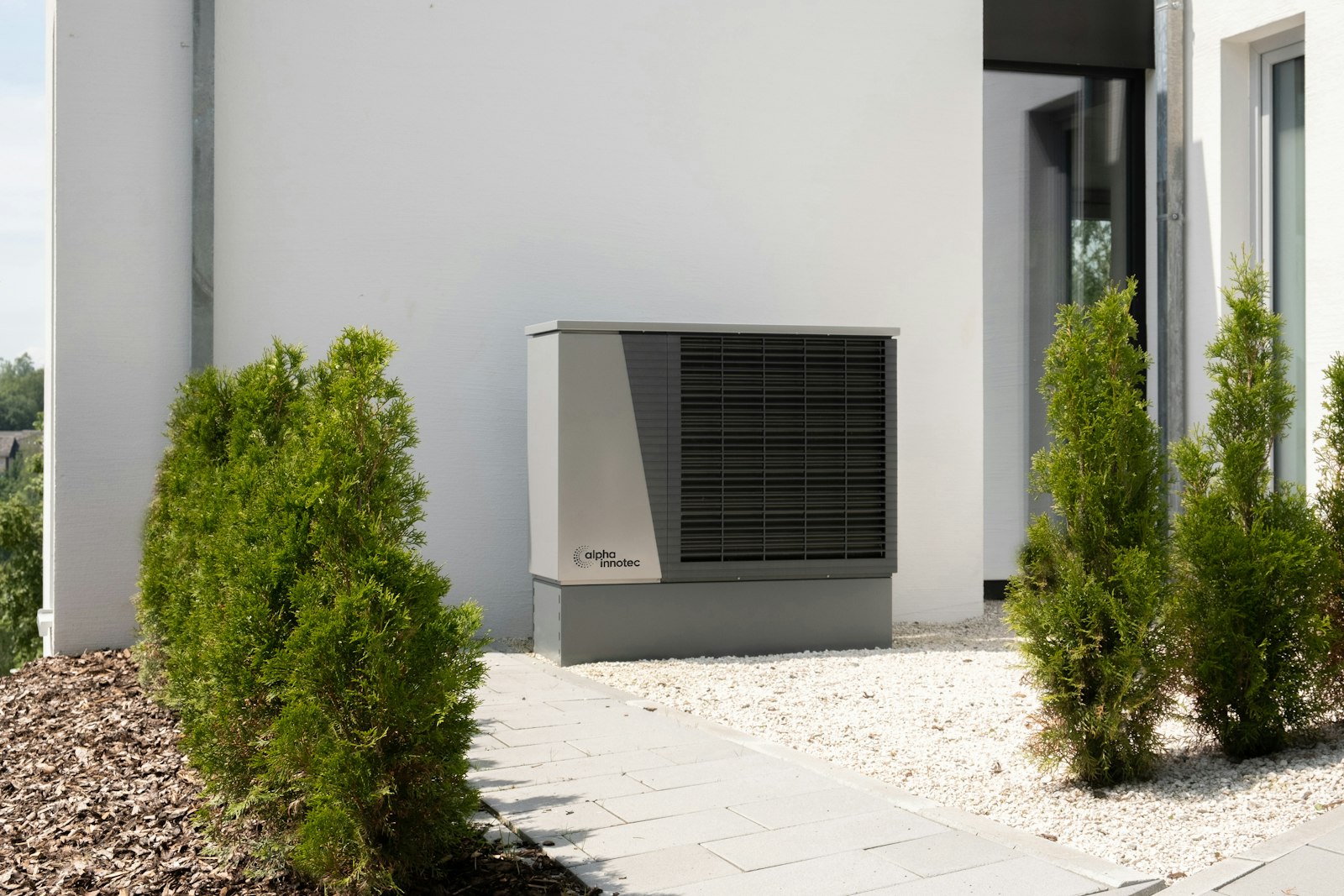
1. HVAC system
Failure cost: $8,000 to $15,000. A seized compressor or a cracked heat exchanger on an older unit usually means a full system replacement, and in a Texas summer you are paying peak prices for emergency labor while the house bakes.
Prevention cost: about $200 a year. Two tune-ups (spring and fall) plus filter changes every one to three months. A serviced system runs 18 to 20 years. One that's been skipped tends to give out closer to 8 to 10, often on the hottest day of the summer. The single biggest killer is a clogged filter starving airflow and overheating the system, and that is a five-dollar fix you control entirely.
2. Roof
Failure cost: $12,000 to $30,000. A full replacement on a typical Celina home, more if water got past the decking and into the structure before anyone noticed.
Prevention cost: about $300 a year. An annual inspection plus minor repairs (resealing flashing, replacing a few lifted shingles, clearing valleys). The roof is the most weather-exposed system you own, and in our hail corridor it takes a beating every spring. A roof that is inspected and spot-repaired lasts its full rated life. One that is ignored fails years early and takes the ceiling, insulation, and sometimes the framing with it.
Notice the ratio on every system here. HVAC: $200 against $12,000. Roof: $300 against $20,000. The maintenance is not 10 percent of the repair, it is closer to 1 to 2 percent. There is almost no other place in your financial life where small, consistent spending returns this kind of protection.
3. Foundation
Failure cost: $15,000 to $40,000. North Texas sits on expansive clay that swells when wet and shrinks when dry. That movement cracks slabs, and pier work to stabilize a home is one of the largest single repairs a homeowner ever faces.
Prevention cost: $20 to $100 a year. This is the most lopsided ratio in the entire house. A soaker hose and timer running on a consistent schedule keeps soil moisture stable around the slab during dry spells, and good drainage moves water away from the foundation. Twenty dollars of hose against a forty-thousand-dollar repair. We wrote the full month-by-month watering method in our foundation watering guide for North Texas clay soil.
Drop your email. We will send the APEX Home Warranty Protection Checklist, which includes the service schedule for all five of these systems, the hard-water and foundation routines, and the full quarterly maintenance calendar.
4. Main sewer and water line
Failure cost: $5,000 to $25,000. A collapsed or root-invaded sewer line, or a failed main water line under the slab, is expensive because the problem is buried. You are paying to dig, not just to fix. On homes with large trees near the line, root intrusion is a question of when, not if.
Prevention cost: about $150 a year. Sensible drain habits (no grease, no wipes, no "flushable" anything), plus a camera scope of the main line every few years on older homes or homes with mature trees. The scope catches root intrusion and pipe-belly problems while they are still a cleaning or a spot repair, long before they become a full excavation.
5. Electrical panel
Failure cost: $2,000 to $5,000, plus the risk that is hard to price. A panel replacement itself is the smallest dollar figure on this list, but the electrical system is the one where the failure mode can be a house fire. Certain older panel brands, loose connections, and overloaded circuits are not just an inconvenience, they are a safety issue.
Prevention cost: about $150 to $200 every few years. A professional inspection every three to five years, and immediate attention any time you notice flickering lights, a warm or buzzing outlet, a burning smell, or a breaker that trips repeatedly. The cheap maintenance here is mostly awareness, knowing the four or five warning signs and never ignoring them.
The failures that hurt the most are almost always the systems nobody was watching. Maintenance is just the decision to watch on purpose.
Why these five fail and the cheap stuff doesn't
It is not a coincidence that the most expensive systems are also the easiest to ignore. They are slow, quiet, and mostly hidden. A faucet drips where you can see it. A foundation moves a millimeter a season behind a wall. An HVAC system loses efficiency so gradually you adjust to it. By the time these systems announce themselves, the cheap window has closed and the expensive one is open.
That is the entire case for proactive maintenance. Not because every system will fail without it, but because the small, scheduled, boring attention is what keeps the failure in its cheapest form. For the broader picture of what reactive neglect actually costs over time, see our breakdown in reactive vs proactive home maintenance.
You do not have to track all five yourself. The whole reason a quarterly maintenance rhythm exists is so that HVAC, roof, foundation, plumbing, and electrical each get looked at on schedule, by someone whose job is to notice the millimeter of movement before it becomes the forty-thousand-dollar repair. The five systems that can break you are the same five that reward a little consistent attention more than anything else you own.
The cheapest of these to stay ahead of is your A/C. Our A/C Cleaning and Performance visit, $179, keeps it efficient and catches small issues long before they become the five-figure kind.
Book your A/C visit →